
Introduction
Before installing solar in your factory, it’s essential to avoid common mistakes that can increase project costs, reduce system performance, and delay your return on investment. From selecting the wrong Solar EPC contractor to overlooking structural assessments and future expansion plans, these mistakes can significantly impact your solar project’s success. This guide explains the seven most important factors every industrial business should evaluate before investing in rooftop or ground-mounted solar systems.
Installing a solar power system in your factory is a long-term strategic decision. When done correctly, it improves operational efficiency, reduces dependency on conventional power sources, and supports sustainability goals.
However, many industries make critical mistakes during planning and execution—not because solar is complex, but because it is misunderstood. Understanding the solar installation mistakes factory owners commonly make can help you avoid costly setbacks.
👉 Solar is not just about panels. It involves electrical engineering, load management, compliance, and long-term planning.
This article explains the 7 most common and costly mistakes, with detailed insights to help you avoid them.
1. Installing Without Proper Load Analysis
solar system mistakes industry
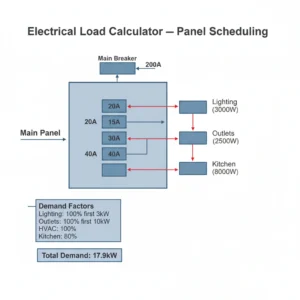
One of the most fundamental errors is skipping a detailed understanding of your factory’s power consumption.
Many businesses assume their total connected load equals actual usage, which is incorrect. In reality, factories have:
- Peak load
- Average load
- Idle load
- Shift-based variations Without analyzing these patterns, the solar system may:
- Generate excess unused power
- Fail to meet actual demand
- Operate inefficiently
Additionally, different machinery behaves differently—some require high startup current, while others run continuously.
👉 Why this matters:
A poorly sized system affects performance, savings, and return on investment.
👉 Best practice:
Conduct a professional energy audit and load profiling before designing the system.
2. Ignoring Shadow Analysis
industrial solar planning errors
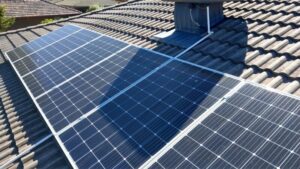
Solar panels are highly sensitive to shading—even partial shadow on one panel can reduce the output of the entire string.
Factories often overlook real-world conditions such as:
- Overhead water tanks
- Adjacent buildings
- Structural columns
- Future construction possibilities
The impact is not always visible immediately but leads to consistent underperformance over time.
👉 Why this matters:
Even a small shaded area can reduce system efficiency significantly.
👉 Best practice:
Use proper shadow analysis tools and site surveys to identify optimal panel placement and tilt.
3. Choosing the Wrong System Type
There is no one-size-fits-all solar solution. Yet, many factories select systems based on trends rather than actual needs.
Common mistake:
Installing an on-grid system where backup is critical—or choosing off-grid unnecessarily.
System types:
- On-grid: Works with utility supply, no backup
- Off-grid: Independent, requires storage
- Hybrid: Combination of both
👉 Why this matters:
Wrong selection can lead to:
- Power interruptions
- Underutilization
- Operational challenges
👉 Best practice:
Match the system type with:
- Your operational hours
- Power reliability requirements
- Critical load dependency
4. Compromising on Component Quality
Solar is a long-term asset, but many businesses treat it as a short-term cost-saving project.
Choosing low-quality:
- Panels
- Inverters
- Cables
- Mounting structures
can result in:
- Frequent breakdowns
- Reduced efficiency
- Safety risks
Poor components degrade faster and may not withstand industrial conditions like dust, heat, and vibration.
👉 Why this matters:
Component quality directly impacts system life and performance.
👉 Best practice:
Use certified, industry-grade equipment with proper warranties and standards.
5. Poor Electrical Integration with Existing System
Solar must integrate seamlessly with your factory’s electrical infrastructure.
Many installations fail because:
- Existing panels are not designed for solar input
- Protection systems are inadequate
- Load distribution is not optimized
This leads to:
- Voltage fluctuations
- System tripping
- Equipment damage
👉 Why this matters:
Improper integration can disrupt your entire electrical system.
👉 Best practice:
Ensure:
- Proper synchronization
- Updated electrical panels
- Protection systems like relays and breakers
6. Ignoring Approvals and Compliance
Solar installation is not just a technical project—it is also a regulatory process.
Factories often delay or ignore approvals such as:
- Net metering permissions
- Electrical inspection approvals
- Safety certifications
This can result in:
- Delayed commissioning
- Legal issues
- Disconnection risks
👉 Why this matters:
Non-compliance can stop your system from operating legally.
👉 Best practice:
Complete all approvals before commissioning and ensure documentation is in place.
7. No Maintenance and Monitoring Plan
A common misconception is that solar systems require no maintenance.
While maintenance is low, it is not zero.
Neglecting:
- Panel cleaning
- Performance monitoring
- Periodic inspection
can reduce efficiency gradually without immediate notice.
Dust accumulation, loose connections, or inverter issues can silently impact output.
👉 Why this matters:
Performance degradation over time reduces overall system effectiveness.
👉 Best practice:
Implement:
- Regular cleaning schedules
- Monitoring systems
- Annual inspections
Strategic Insight: Solar Is an Engineering Project, Not Just Installation
The biggest mistake is treating solar as a simple installation activity.
In reality, it involves:
- Electrical design
- Structural planning
- Regulatory compliance
- Performance optimization
👉 A well-designed system performs efficiently for decades.
👉 A poorly designed one creates ongoing problems.
How IndusAssist Helps
At IndusAssist Private Limited,
we help industries avoid every major solar installation mistake factory owners encounter by offering:
✔ Detailed analysis
✔ Custom design
✔ Approval support
✔ Professional execution
✔ Ongoing support
We ensure your solar system is not just installed—but engineered for performance.
Conclusion
Solar can be one of the best investments for your factory—but only when done correctly.
Avoiding these mistakes will help you:
- Achieve consistent performance
- Ensure operational safety
- Maximize long-term benefits
👉 The difference between a successful solar project and a failed one lies in planning and execution.
What is the biggest mistake in factory solar installation?
Skipping proper load analysis and system design.
Is maintenance required for solar systems?
Yes, periodic cleaning and inspection are essential for performance.
Do factories need approvals for solar installation?
Yes, approvals like net metering and electrical inspection are mandatory.