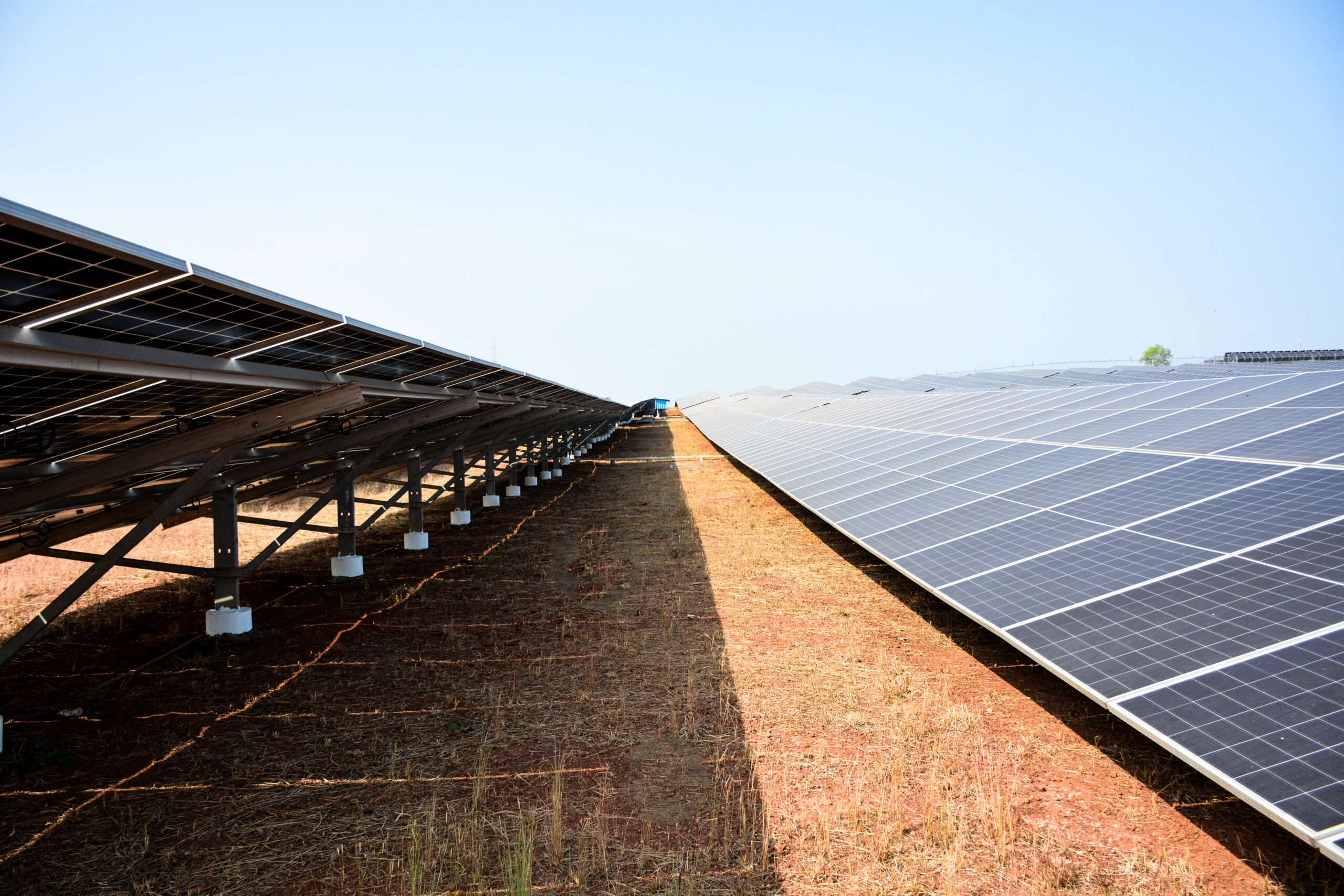



Introduction
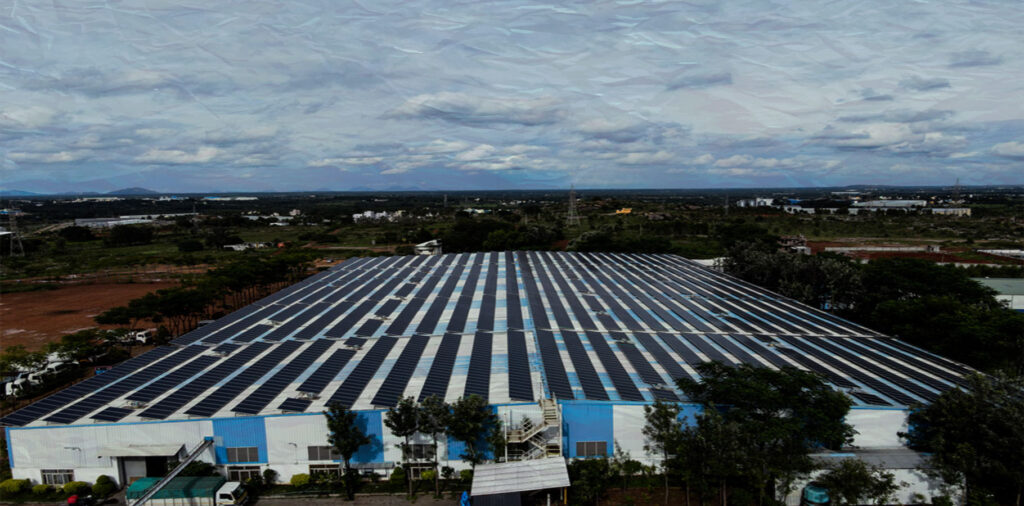
Commercial Solar Power for Businesses
Solar energy is no longer just an environmental initiative — it has become a smart financial investment for businesses.
In 2026, commercial solar installations are growing rapidly because companies are realizing the long-term benefits of generating their own electricity.
Quick Answers About Commercial Solar Power
What is commercial solar power?
Commercial solar power refers to solar energy systems installed on commercial buildings such as offices, factories, warehouses, hospitals, and shopping centers. These systems generate electricity from sunlight and reduce dependence on grid power.
Why are businesses installing solar power systems?
Businesses install solar power systems to reduce electricity bills, gain energy independence, and support sustainability initiatives.
How much electricity can a rooftop solar plant generate?
A properly designed solar system can generate thousands of units of electricity every month depending on the system capacity and sunlight availability.
How long do solar panels last?
Most solar panels have a lifespan of 25 years or more, making them a reliable long-term energy solution.
Rising Electricity Costs Are Driving Solar Adoption
Electricity prices for commercial consumers have increased significantly in recent years. Businesses that depend heavily on electricity often face high monthly power bills.
Solar power helps companies generate electricity on-site, reducing dependence on expensive grid electricity.
By installing a solar power plant, businesses can reduce their electricity expenses and stabilize long-term energy costs.
How Solar Power Helps Businesses Save Money
Solar energy systems generate electricity during daylight hours when most businesses operate.
This allows companies to use solar power directly for their operations, significantly reducing electricity consumption from the grid.
Benefits include:
- Lower electricity bills
- Long-term energy cost savings
- Faster return on investment
- Protection from rising electricity tariffs
Many commercial solar projects achieve return on investment within 3 to 5 years.
Types of Solar Systems Used by Commercial Buildings
Different types of solar systems are used depending on the energy needs of a business.
| Solar System Type | Description |
|---|---|
| On-Grid Solar System | Connected to the electricity grid and supports net metering |
| Off-Grid Solar System | Independent solar system with battery storage |
| Hybrid Solar System | A combination of grid connection and battery backup |
Most commercial buildings prefer on-grid solar systems because they offer higher efficiency and lower installation costs.
Environmental Benefits of Solar Energy
Apart from financial savings, solar power also helps businesses reduce their environmental impact.
Solar energy is a clean and renewable source of power that produces electricity without emitting harmful greenhouse gases.
By adopting solar power, companies contribute to:
- Lower carbon emissions
- Sustainable energy use
- Environmental responsibility
Many organizations also use solar energy as part of their corporate sustainability initiatives.
Solar Technology is Improving Rapidly
Advancements in solar technology have made modern solar systems more efficient and reliable.
Today’s solar power plants use:
- High-efficiency solar panels
- Smart inverters for energy optimization
- Advanced monitoring systems
- Durable mounting structures
These improvements allow solar installations to generate more electricity while requiring minimal maintenance.
Solar Energy Supports Long-Term Energy Security
Power outages and grid instability can disrupt business operations.
Solar systems help businesses maintain energy stability by generating electricity independently from the grid.
When combined with battery storage, solar systems can even provide backup power during outages.
The Future of Commercial Solar Power
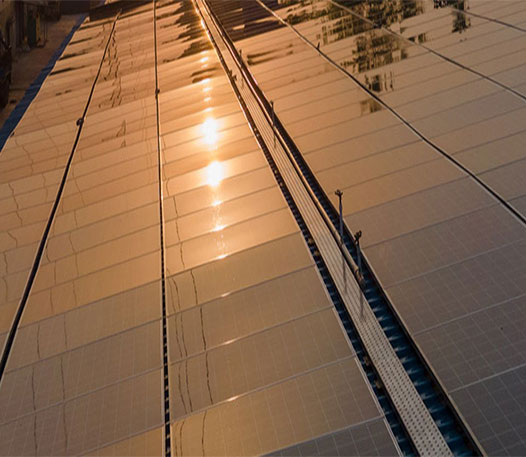
commercial solar power for businesses rooftop solar installation
The adoption of solar energy in commercial buildings is expected to grow significantly over the next decade.
Government renewable energy initiatives, rising electricity costs, and increasing awareness about sustainability are driving this transition.
Businesses that adopt solar power early will benefit from:
- Lower operational costs
- Long-term energy security
- Strong sustainability reputation
Solar power is becoming an essential component of modern commercial infrastructure.
Conclusion
Commercial solar power is transforming the way businesses manage their electricity consumption.
By installing solar power systems, companies can reduce electricity bills, improve sustainability, and gain long-term energy independence.
With advancements in solar technology and supportive government policies, solar energy is expected to become the primary energy source for many commercial buildings in the coming years.